
Home / Wood guide / Ambrosia Maple
Wood 4 of 21
Ambrosia Maple
Light maple painted with gray-blue streaks by a tiny beetle. Rustic, artistic, and no two boards alike.
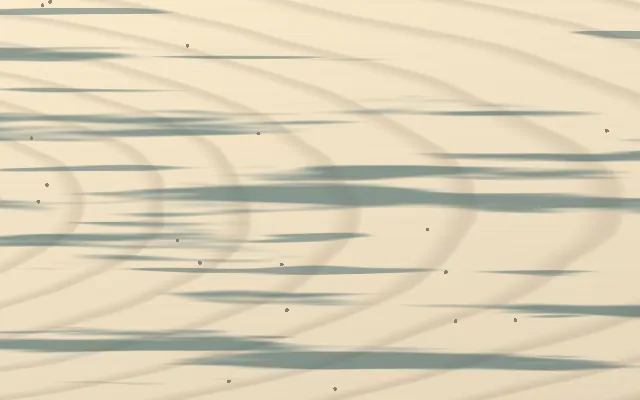
Color over time
Approximate, in a normally lit room. Illustrated grain; real boards vary.
- Hardness
- 950 MediumHigher number means harder to dent. About the Janka test
- Weight
- Medium
- Cost of the wood
- $Budget-friendly, per board foot
- Grows in
- Eastern North America
What it looks like
Maple marked by the ambrosia beetle. The beetle drills tiny holes and brings in a natural fungus that stains the wood with long gray, blue-green or dark streaks. Drying the lumber ends all of that for good; only the color stays. Every board is one of a kind.
How it changes over time
The maple background slowly warms to honey while the gray streaks stay cool, so the look softens a little over time. The pattern never fades.
Shimmer
None to speak of. The beauty is in the color streaks.
Smell
None.
With a natural wax finish
A soft, rustic look.
With a semi-gloss lacquer finish
Makes the streaks deeper (blue-gray to charcoal) against a honey background, for a bolder look.
Safe for food?
Looks great with
- American Black Walnut: cool gray streaks against warm brown; the best match
- Cherry: red-brown frames the gray streaks nicely
- Hard Maple: same color family; calms the busy pattern
- White Oak: olive-tan oak suits the gray-green streaks
- Wenge: a black frame or legs
- Peruvian Walnut: a dark, plain partner for a busy top