
Home / Wood guide / White Ash
Wood 5 of 21
White Ash
Light, strong and springy, with bold grain lines.
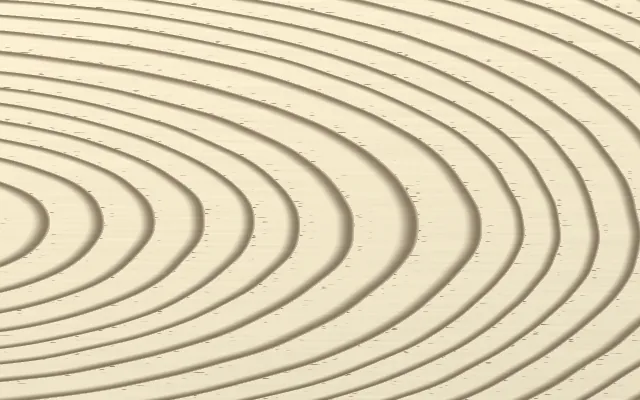
Color over time
Approximate, in a normally lit room. Illustrated grain; real boards vary.
- Hardness
- 1,320 HardHigher number means harder to dent. About the Janka test
- Weight
- Medium-heavy
- Cost of the wood
- $Budget-friendly, per board foot
- Grows in
- Eastern North America
Great for: Tables, chairs, benches, beds, shelving
What it looks like
Pale cream to light tan with bold grain lines: arches on some boards, straight stripes on others. It looks like a lighter, cleaner version of oak. You can see and feel the open grain. Some boards have darker olive-brown streaks, sold as “olive ash.”
How it changes over time
Very stable. Over the years it slowly turns a warmer wheat color, but there’s no big change.
Shimmer
Little. It has a nice natural sheen; the beauty is in the bold grain.
Smell
None once finished.
With a natural wax finish
The Scandinavian look: matte, pale and natural, with grain you can feel with your fingers.
With a semi-gloss lacquer finish
Adds a soft shine and makes the grain lines stand out more. Many lacquers turn it golden.
Safe for food?
Looks great with
- American Black Walnut: the mid-century modern pairing
- Wenge: blond and black
- White Oak: similar texture; a calm, matching pair
- Padauk: orange-red on blond
- Macassar Ebony: small black accents
- Peruvian Walnut: darker than walnut, for a crisp contrast