Home / Wood guide / Hard Maple
Wood 1 of 21
Hard Maple
Pale, smooth and tough. The classic wood for cutting boards and for clean, bright, modern furniture.
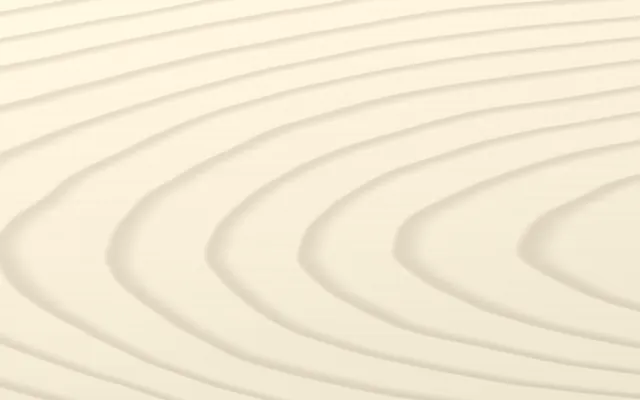
Color over time
Approximate, in a normally lit room. Illustrated grain; real boards vary.
- Hardness
- 1,450 HardHigher number means harder to dent. About the Janka test
- Weight
- Medium-heavy
- Cost of the wood
- $$Moderate, per board foot
- Grows in
- Northeastern U.S. and Canada
What it looks like
The lightest wood in this guide: creamy white, sometimes with a faint pink or golden tint. The grain is calm and mostly straight, and the surface is so smooth it looks almost like porcelain. An occasional thin gray-green streak is natural.
How it changes over time
Changes slowly and gently. Over 3 to 10 years it warms from white to cream to a light honey color. Most people only notice when they move a lamp or a picture frame and see a paler ghost spot underneath.
Shimmer
Very little. For maple that shimmers, see curly and birdseye maple on the next pages.
Smell
None once finished, but will absorb the scent of any material that has its own distinct smell.
With a natural wax finish
The most natural, untouched look. Soft, low-shine and just a touch warmer than raw wood. With no protective coat, fingerprints and dirt show more on this pale wood. Beeswax and mineral oil is the classic cutting-board finish.
With a semi-gloss lacquer finish
A smooth, soft shine and a wipe-clean surface. Many lacquers add a warm honey tone (the “vintage maple” look); a clear, non-yellowing lacquer keeps it pale and modern. Ideal for furniture.
Safe for food?
Looks great with
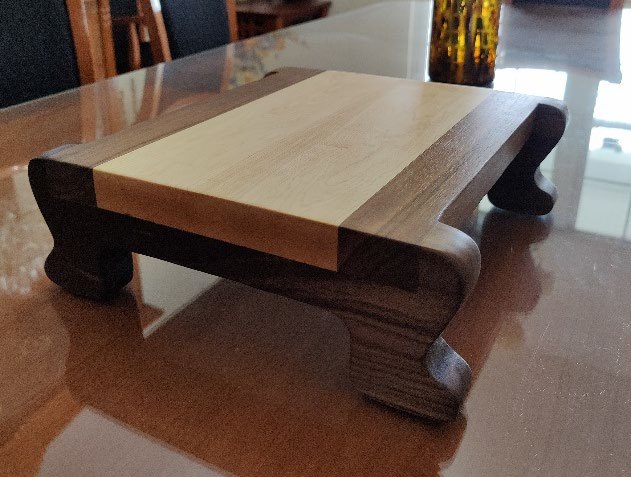
- American Black Walnut: the classic light-and-dark combination
- Black Cherry: pale next to red-brown; the contrast grows as cherry darkens
- Padauk: a bold red stripe on a light background
- Purpleheart: a bold purple stripe
- Wenge: the biggest contrast: nearly white and nearly black
- Sapele: copper against white