 01Hard Maple
Hardness 1,450$$
Ideal for food

Home / Wood guide
Twenty-one woods, explained in plain language: how hard each one is, how its color changes over the years, whether it’s safe for food, and what it looks great with.
New to this? Start with Wood 101: HardnessThe two finishesWhy wood changes colorShimmerSafe for food?Weight and cost
01Hard Maple
 02Curly / Quilted Maple
 03Birdseye Maple
 04Ambrosia Maple
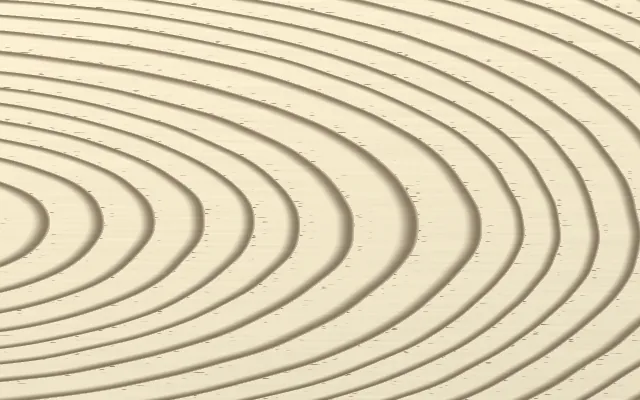 05White Ash
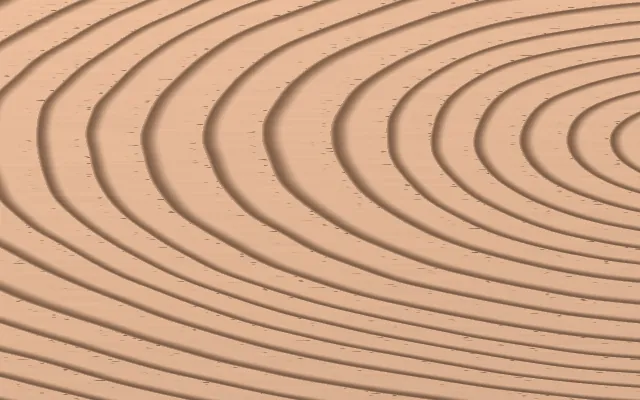 06Red Oak
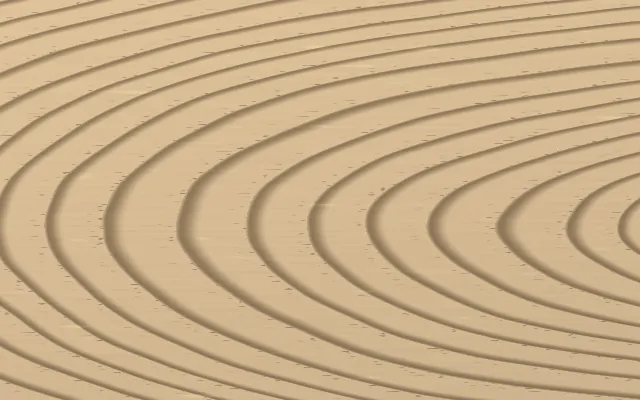 07White Oak
 08Cherry
 09American Black Walnut
 10Peruvian Walnut
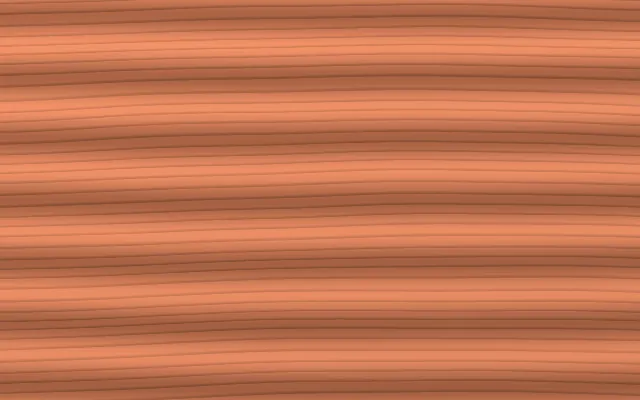 11Sapele
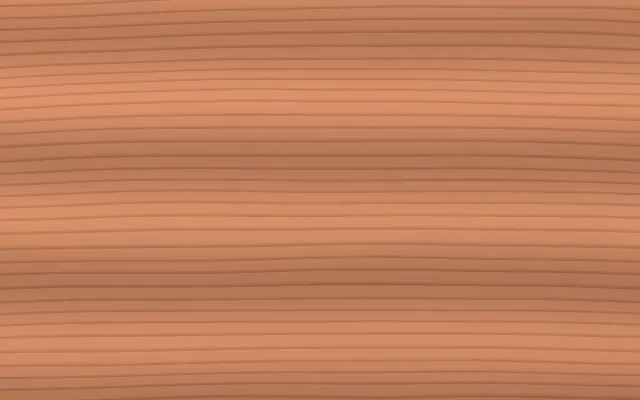 12Sipo
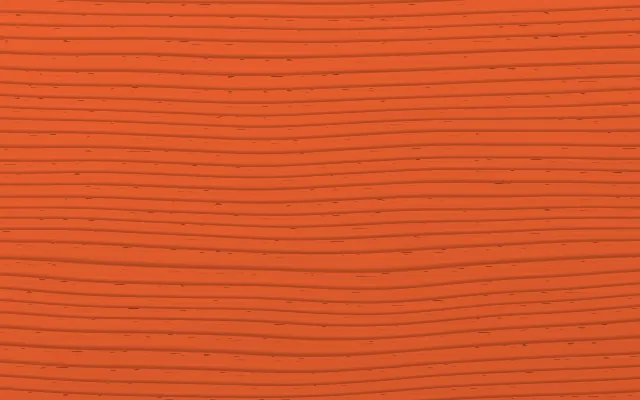 13Padauk
 14Purpleheart
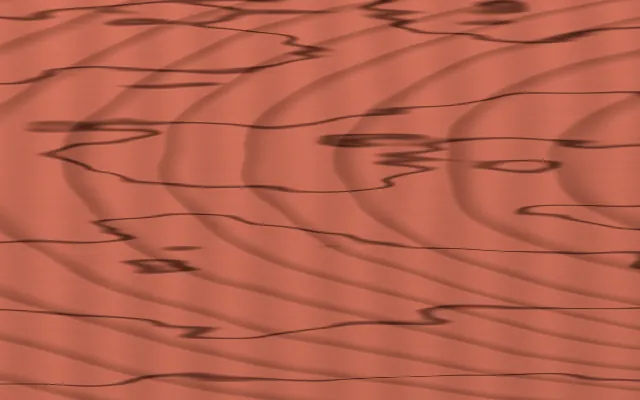 15Bubinga
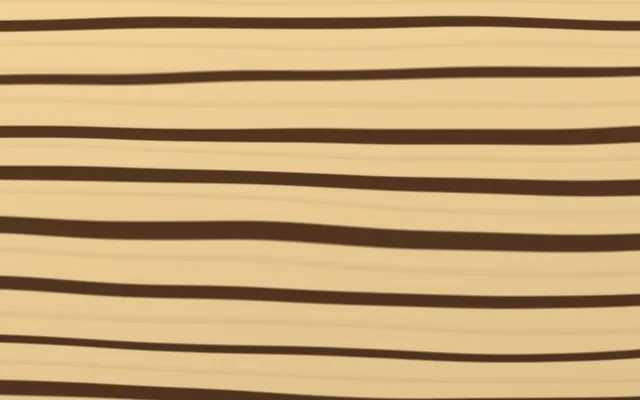 16Zebrawood
 17Wenge
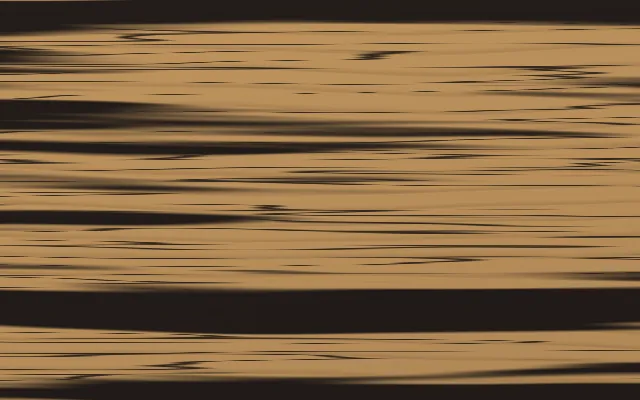 18Macassar Ebony
 19Spanish Cedar
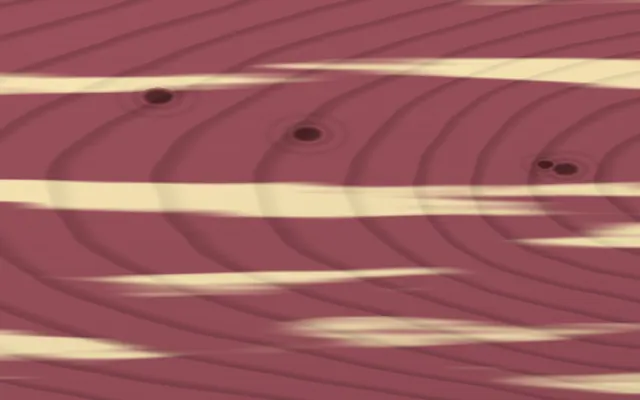 20Aromatic Cedar
 21Baltic Birch Plywood
Sorted hardest to softest. Select a column heading to sort by it.
| Macassar Ebony | 3,220 | Extremely hard | Almost none | Serving pieces only | $$$$$ | |
| Purpleheart | 2,520 | Extremely hard | Big: purple to brown | Serving pieces only | $$ | |
| Bubinga | 2,410 | Extremely hard | Some: deepens to burgundy | Serving pieces only | $$$ | |
| Wenge | 1,930 | Very hard | Slight: may lighten in sun | Not for food | $$$ | |
| Zebrawood | 1,830 | Very hard | Slight: background warms | Not for food | $$$ | |
| Padauk | 1,710 | Very hard | Very big: orange to brown | Good for food | $$ | |
| Hard Maple | 1,450 | Hard | Slight: warms to honey | Ideal for food | $$ | |
| Birdseye Maple | 1,450 | Hard | Slight: warms to honey | Good for food | $$$$ | |
| Sapele | 1,360 | Hard | Big: darkens to copper | Good for food | $$ | |
| White Oak | 1,350 | Hard | Some: turns golden | Good for food | $$ | |
| White Ash | 1,320 | Hard | Slight: warms a little | Good for food | $ | |
| Red Oak | 1,220 | Hard | Some: warms to amber | Serving pieces only | $ | |
| Sipo | 1,180 | Hard | Some: darkens | Good for food | $$ | |
| American Black Walnut | 1,010 | Medium | Some: gets lighter | Ideal for food | $$$ | |
| Peruvian Walnut | 960 | Medium | Slight: lightens a little | Good for food | $$$ | |
| Ambrosia Maple | 950 | Medium | Slight: warms to honey | Good for food | $ | |
| Cherry | 950 | Medium | Big: darkens to red-brown | Ideal for food | $$ | |
| Aromatic Cedar | 900 | Medium | Big: red fades to amber | Not for food | $ | |
| Curly / Quilted Maple | 700–1,450 | Medium–hard | Slight: warms to honey | Good for food | $$$$ | |
| Spanish Cedar | 600 | Soft | Some: darkens | Not for food | $$ |
Hardness is the Janka number, in pounds. What the hardness number means
Take the cost ratings with a grain of salt. I based them on what I’ve paid for each wood in the past, and wood prices move with global supply and demand. I once bought hard maple cheap, came back a year later, and paid three times as much because that year’s maple harvest wasn’t as good.
Save it with the Save button, then start a project. Your saved woods come along.