
Home / Wood guide / Curly / Quilted Maple
Wood 2 of 21
Curly / Quilted Maple
Maple with a rippling, 3-D shimmer that seems to move as you walk past.
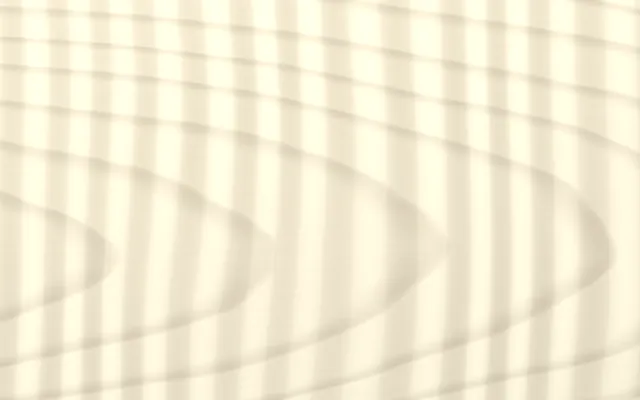
Color over time
Approximate, in a normally lit room. Illustrated grain; real boards vary.
- Hardness
- 700–1,450 Medium–hardCurly hard maple is hard; quilted maple is softer. About the Janka test
- Weight
- Medium
- Cost of the wood
- $$$$High-end, per board foot
- Grows in
- North America (quilted maple: mostly the Pacific Northwest)
What it looks like
Two natural patterns sold together. Curly maple has light and dark stripes running across the board, like tiger stripes. Quilted maple has a puffy, bubbly pattern, like ripples on water. Before finishing, the pattern looks faint; the finish brings it to life.
How it changes over time
Warms slowly, like plain maple: white to cream to honey over the years. The pattern never fades.
Shimmer
The best in this guide. The stripes flip from light to dark as you move, so the wood seems to roll and glow.
Smell
None except whatever is applied onto it.
With a natural wax finish
The pattern shows as a soft shimmer rather than deep 3-D. An oil under the wax makes the pattern stand out more while keeping a low-shine look.
With a semi-gloss lacquer finish
This is where it shines. The clear coat works like a lens, so the stripes look three-dimensional and the shimmer is at its strongest.
Safe for food?
Looks great with
- American Black Walnut: shimmering maple framed in dark walnut
- Macassar Ebony: black accents make the stripes pop
- Wenge: a near-black frame makes the pattern bolder
- Cherry: both warm; the maple stays the highlight
- Bubinga: two shimmering woods; works when one is the frame
- Purpleheart: small accents only