
Home / Wood guide / Macassar Ebony
Wood 18 of 21
Macassar Ebony
Also called striped ebony
Dense, high-contrast stripes: yellow, orange and reddish-brown streaks with dark brown lines in between.
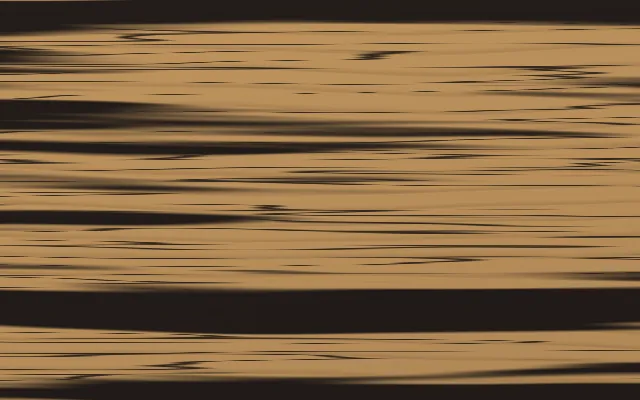
Color over time
Approximate, in a normally lit room. Illustrated grain; real boards vary.
- Hardness
- 3,220 Extremely hardHigher number means harder to dent. About the Janka test
- Weight
- Very heavy
- Cost of the wood
- $$$$$Luxury, per board foot
- Grows in
- Sulawesi, Indonesia
What it looks like
Dramatic black and dark-brown stripes on a tan to reddish-brown background; some boards are mostly black. Very smooth, and it polishes to a glass-like shine. So dense it sinks in water!
How it changes over time
Very color-stable: the black stays black, and the tan may darken slightly over the years.
Shimmer
Little shifting shimmer, but an exceptional natural shine.
Smell
None once finished.
With a natural wax finish
The one wood where wax alone looks fully finished: the wood itself polishes, so wax gives a satin to near-gloss shine.
With a semi-gloss lacquer finish
The tan turns amber and the black turns jet black, with an even, smooth sheen.
Safe for food?
Looks great with
- Hard Maple: black and white
- Curly / Quilted Maple: a classic luxury pairing
- Honduran Mahogany: classic; mahogany darkens toward it
- Sapele: copper and black
- Bubinga: burgundy and black
- Birdseye Maple: thin black lines around birdseye