
Home / Wood guide / Purpleheart
Wood 14 of 21
Purpleheart
Also called amaranth
Yes, it’s really purple. A very hard, heavy wood used for bold splashes of color. It’s so hard, it can be used as a hammer.
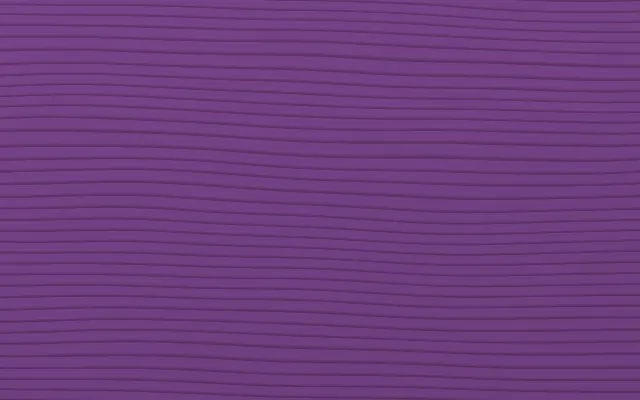
Color over time
Approximate, in a normally lit room. Illustrated grain; real boards vary.
- Hardness
- 2,520 Extremely hardHigher number means harder to dent. About the Janka test
- Weight
- Heavy
- Cost of the wood
- $$Moderate, per board foot
- Grows in
- Mexico to southern Brazil
What it looks like
Freshly cut, it’s a dull purple, but within a few days in the light it turns the eggplant purple it’s known for. Smooth, with a nice sheen. Very hard and very heavy.
How it changes over time
Over years in the light, the purple slowly turns a dark brown with a purple tint. Out of direct sun it stays purple for years. A finish with sun protection helps it keep its color longer.
Shimmer
A nice sheen; people choose it for color, not pattern.
Smell
Usually little to none.
With a natural wax finish
An honest purple that browns slowly. The dense wood polishes to a satin glow with wax alone.
With a semi-gloss lacquer finish
Deepens to a rich violet-plum. A clear, non-yellowing lacquer with sun protection keeps the purple best, other lacquers that don’t have UV protection will let it brown faster.
Safe for food?
Looks great with
- Hard Maple: the classic accent stripe
- Padauk: rainbow boards; both turn browner over time
- American Black Walnut: purple on brown
- Wenge: purple and black
- White Ash: blond and purple
- Curly / Quilted Maple: small accents only